



Introduction
The e-commerce industry has transformed how businesses operate and how consumers shop. From traditional brick-and-mortar stores to fully digital platforms, the shift has been rapid and unstoppable. Today, mobile apps dominate online shopping, offering convenience, speed, and personalized experiences.
With the rise of platforms like Amazon, Flipkart, and Shopify, businesses are increasingly investing in e - commerce app development to stay competitive. Whether you are a startup, retailer, or enterprise brand, having a robust mobile app is no longer optional—it’s essential.
If you're planning to build an e-commerce app, this complete guide will walk you through types, features, development process, cost, and technology stack, along with expert insights to help you succeed.
What is an E-Commerce App?
An e-commerce app is a mobile or web-based platform that allows users to buy and sell products or services online. It supports different business models such as B2B, B2C, C2C, and subscription-based services.
These apps streamline the entire shopping journey—from browsing products to making secure payments and tracking orders in real time.
You can also explore a trusted custom e-commerce development company USA for tailored solutions based on your business needs.
Types of E-Commerce Apps
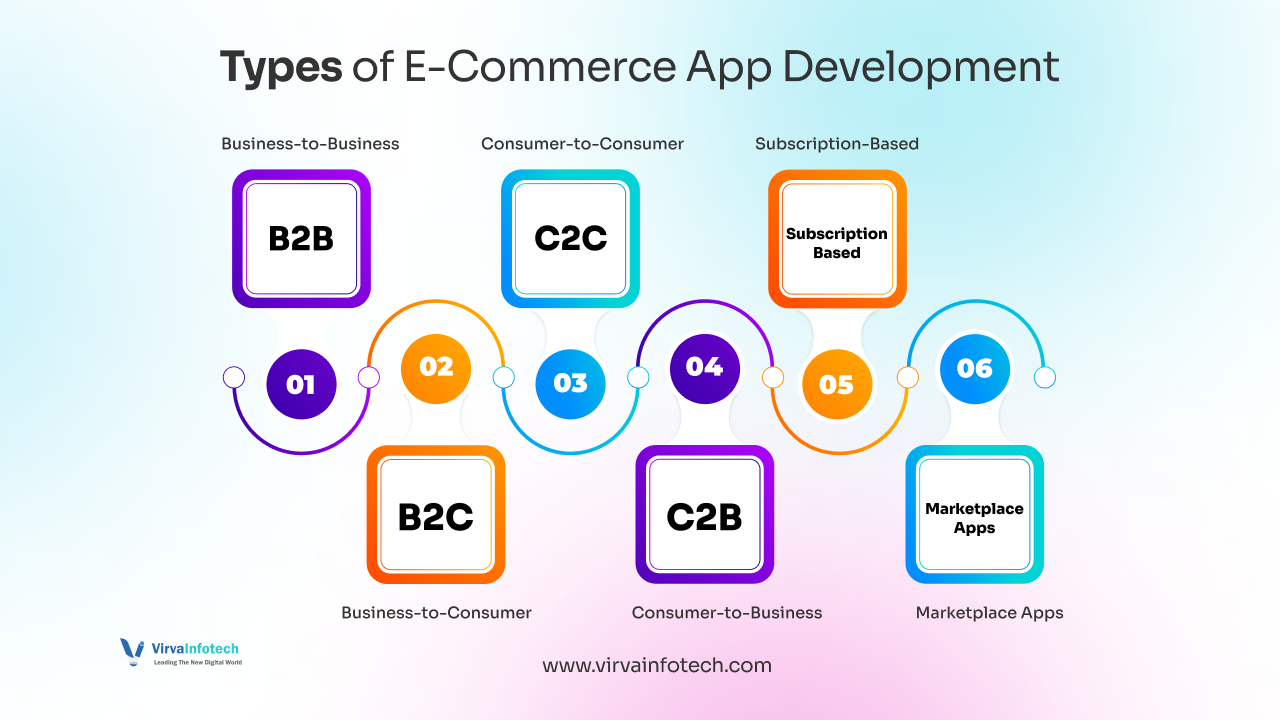
1. B2B (Business-to-Business) Apps
B2B apps connect businesses with suppliers and wholesalers. These platforms handle bulk orders, negotiations, and long-term partnerships.
Examples: Alibaba, India Mart
Key Benefits:
- Bulk purchasing
- Lower pricing
- Supply chain efficiency
2. B2C (Business-to-Consumer) Apps
This is the most common model where businesses sell directly to customers.
Examples: Amazon, Flipkart
Features:
- Product browsing
- Secure checkout
- Home delivery
3. C2C (Consumer-to-Consumer) Apps
These apps allow users to sell products directly to other users.
Examples: OLX, eBay
Benefits:
- Peer-to-peer selling
- Low entry barrier
4. C2B (Consumer-to-Business) Apps
Individuals offer services or products to businesses.
Examples: Fiverr, Upwork
5. Subscription-Based Apps
Users pay recurring fees for products/services.
Examples: Netflix, Spotify
6. Marketplace Apps (Multi-Vendor)
Multiple sellers sell products on one platform.
Businesses planning to launch multi-vendor commerce platforms can also explore the online marketplace development process to understand vendor management, monetization models, and scalable marketplace architecture for long-term growth in the USA.
Best E-Commerce Development Platforms
Choosing the right platform is critical for scalability and performance.
Shopify
Best for startups and small businesses. Easy setup with built-in features.
Magento
Ideal for large enterprises requiring customization and scalability.
WooCommerce
Perfect for WordPress-based websites.
BigCommerce
Supports global selling with multi-currency features.
Custom Development
Best for unique business requirements.
Must-Have Features of an E-Commerce App
User Experience Features
A seamless user experience is the backbone of any successful app. Clean UI, easy navigation, and fast loading speed improve engagement.
Important Features:
- Easy navigation
- Smart search
- Product filters
AI-Based Personalization
AI helps recommend products based on user behavior, increasing conversions.
Secure Payment Integration
Payment flexibility builds trust and boosts sales.
Supported Options:
- UPI
- Credit/Debit Cards
- Wallets
Real-Time Order Tracking
Customers expect live updates about their orders.
Push Notifications:
Used for:
- Offers
- Order updates
- Cart reminders
Multi-Language & Currency
Essential for global scalability.
E-Commerce App Development Process
Step 1: Market Research
Market research is the foundation of a successful e-commerce app. Before starting development, businesses must clearly understand their target audience, including their preferences, buying behavior, and expectations from an online shopping experience. Analyzing customer pain points—such as slow delivery, lack of personalization, or poor UI—helps in building a solution that truly adds value. In addition, researching current market trends like AI-driven recommendations, voice search, and mobile-first experiences gives your app a competitive edge.
Equally important is competitor analysis. Studying platforms like Amazon or Flipkart helps you identify what works and where gaps exist. This is where your Unique Value Proposition (UVP) comes into play—whether it's faster delivery, better UX, or niche product offerings. You can strategically align your approach with e-commerce industry solutions to ensure your app is built according to real market demand and industry standards.
Step 2: UI/UX Design
A well-designed UI/UX is critical for user engagement and retention. The design phase begins with wireframing, where you define the structure and layout of your app. Prototyping follows, allowing you to visualize how users will interact with different elements like product pages, cart, and checkout. A clean, intuitive interface ensures users can easily browse products, search categories, and complete purchases without confusion.
User experience goes beyond visuals—it directly impacts conversions. Features like smooth navigation, fast loading speed, and mobile responsiveness are essential for reducing bounce rates. Investing in professional UI/UX design services ensures your app delivers a seamless and enjoyable shopping experience, ultimately increasing customer satisfaction and repeat purchases.
Step 3: Choose Technology Stack
Selecting the right technology stack is crucial for building a scalable and high-performing e-commerce app. The technology stack includes frontend, backend, database, and integrations that work together to deliver a smooth user experience. Choosing modern frameworks and tools ensures faster performance, better security, and future scalability as your business grows.
A well-planned tech stack also supports advanced features like real-time tracking, AI recommendations, and secure payment systems. It helps developers build a robust architecture that can handle high traffic and large product inventories efficiently. Making the right choice at this stage reduces long-term maintenance costs and ensures your app remains competitive in the evolving digital landscape.
Looking to build a scalable e-commerce app for your business?
👉 Explore custom e-commerce app development solutions
Step 4: Development Phase
The development phase is where your app starts taking shape. Frontend development focuses on creating the user interface, ensuring it is responsive, fast, and visually appealing. Backend development, on the other hand, handles data processing, server communication, and core functionalities like authentication, order management, and payment processing.
To ensure scalability, performance, and seamless user experience, many businesses invest in custom web application development services for e-commerce businesses in the USA when building high-performance online shopping platforms.
Step 5: Testing & QA
Testing is a critical phase that ensures your e-commerce app is free from bugs and performs efficiently under different conditions. Functional testing verifies that all features—such as login, product search, and checkout—work correctly. Performance testing ensures the app can handle heavy traffic without crashing, especially during peak shopping seasons.
Security testing is equally important, as e-commerce apps deal with sensitive user data and payment information. Implementing encryption, secure APIs, and authentication mechanisms protects against cyber threats. A thorough QA process ensures your app delivers a smooth, secure, and reliable user experience before launch.
Step 6: Launch & Deployment
Once testing is complete, the app is ready for launch on platforms like the Google Play Store and Apple App Store. This phase includes preparing app store listings, optimizing descriptions with keywords, and uploading screenshots to attract users. A strong App Store Optimization (ASO) strategy helps improve visibility and downloads.
Deployment also involves setting up servers, cloud hosting, and monitoring tools to ensure smooth performance post-launch. A successful launch strategy includes marketing campaigns, social media promotions, and paid ads to generate initial traction and user engagement.
Step 7: Maintenance & Updates
Post-launch maintenance is essential for long-term success. Regular updates help fix bugs, improve performance, and introduce new features based on user feedback. Keeping your app updated ensures compatibility with the latest devices and operating systems.
Continuous improvement also helps businesses stay ahead of competitors. Partnering with professional software development services ensures your app evolves with market trends, integrates new technologies, and maintains high performance over time.
Technology Stack for E-Commerce Apps
Frontend
Frontend technologies define how users interact with your app. Tools like React Native app development services USA and Flutter enable cross-platform development, allowing businesses to build apps for both Android and iOS using a single codebase. This reduces development time and cost while maintaining a consistent user experience.
For businesses focusing on performance, native technologies like Swift (iOS) and Kotlin (Android) provide better speed and responsiveness. A strong frontend ensures smooth navigation, fast loading, and visually appealing interfaces that enhance user engagement.
Backend
The backend is the backbone of your e-commerce app, managing data, user authentication, and business logic. Technologies like Node.js, Django, and Laravel are widely used due to their scalability and security. They handle complex operations like order processing, inventory management, and payment integrations efficiently.
A robust backend ensures your app can handle high traffic and large datasets without performance issues. It also supports API integrations and real-time updates, making it essential for building a reliable and scalable e-commerce platform.
Database
Databases store and manage all critical data, including user profiles, product listings, and transaction history. MongoDB is ideal for flexible and scalable applications, while MySQL is suitable for structured data management. Firebase offers real-time synchronization, making it perfect for mobile apps.
Choosing the right database ensures faster data retrieval, better performance, and improved user experience. It also helps in handling large volumes of data efficiently as your app grows.
Cloud Hosting
Cloud platforms like AWS and Google Cloud provide scalable and secure infrastructure for e-commerce apps. They ensure high availability, fast loading times, and reliable performance even during peak traffic periods.
Cloud hosting also enables automatic backups, data recovery, and global content delivery. This makes it easier for businesses to expand globally without worrying about server limitations.
Payment Gateways
Secure payment integration is crucial for building trust among users. Payment gateways like Razorpay, Stripe, and PayPal enable seamless and secure transactions, supporting multiple payment methods such as cards, UPI, and wallets.
A reliable payment system reduces cart abandonment and enhances the overall user experience. It also ensures compliance with security standards, protecting both users and businesses from fraud.
Cost of E-Commerce App Development
| Development Level | Core Features Included | Estimated USA Cost |
| Starter E-Commerce App | Product catalog, cart, checkout, basic payment integration | $5,000 – $8,000 |
| Growth-Focused E-Commerce Platform | Advanced UI/UX, push notifications, analytics, multiple payment methods | $10,000 – $12,000 |
| Enterprise E-Commerce Ecosystem | AI recommendations, AR shopping, multi-vendor support, real-time tracking | $15,000 – $18,000+ |
Factors Affecting Cost
The cost of development depends on multiple factors, including app complexity, features, and platform selection. Apps with advanced features like AI, real-time tracking, and AR require more time and resources, increasing overall costs.
Other factors include the development team’s expertise, location, and third-party integrations such as payment gateways and APIs. Proper planning and budgeting help businesses optimize costs while ensuring high-quality development.
Why Invest in E-Commerce App Development?
Investing in e-commerce app development helps businesses increase sales by providing a convenient shopping experience. Mobile apps allow users to browse products, make purchases, and track orders anytime, leading to higher conversions and customer satisfaction.
Additionally, e-commerce apps help build brand loyalty through personalized experiences, push notifications, and loyalty programs. With global reach and scalability, businesses can expand their market and achieve long-term growth in the digital economy.
Conclusion
Building a successful e-commerce app requires the right combination of strategy, technology, and user experience. From selecting the right platform to integrating advanced features like AI and real-time tracking, every step plays a crucial role.
If you're planning to build a scalable and high-performing app, working with an expert e-commerce app development company can help turn your idea into reality.
Ready to launch your e-commerce app in the USA?
👉 Connect with our app development experts