


Introduction
The real estate industry in the United States is undergoing a major digital shift. Today’s buyers, sellers, and agents prefer mobile-first solutions that simplify property discovery, communication, and transactions. With the rise of Prop Tech, businesses are increasingly investing in advanced applications to stay competitive in a fast-moving market.
A well-designed real estate application not only improves user experience but also unlocks new revenue streams. Companies offering real estate app development services are helping businesses build scalable, feature-rich platforms tailored to modern user expectations.
If you're planning to build a real estate app, this guide will walk you through types, features, development steps, cost, and key strategies—specifically tailored for the USA market.
Types of Real Estate Apps
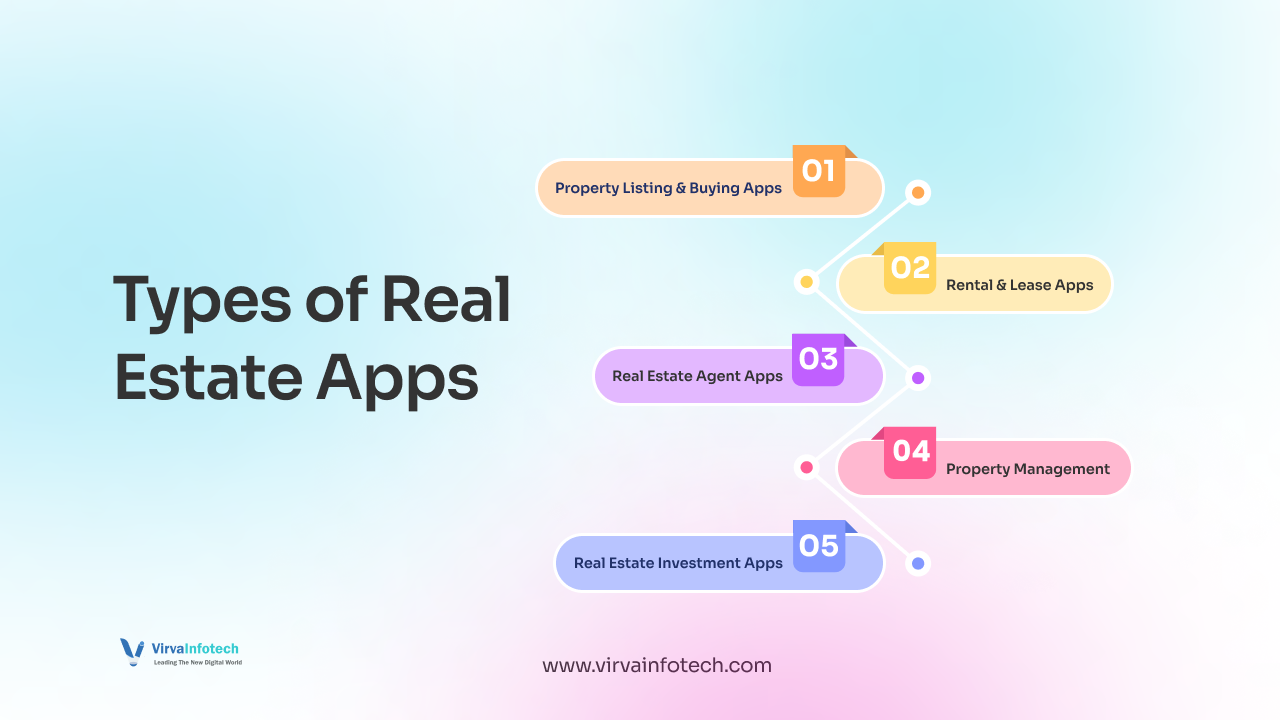
Real estate apps in the U.S. market serve different purposes depending on the target audience and business model.
1. Property Listing & Buying Apps
These platforms allow users to browse properties based on location, price, amenities, and preferences. Many leading U.S. apps also provide virtual tours and AI-driven recommendations.
They often integrate tools like mortgage calculators and real-time chat to enhance decision-making.
Key Features:
- Advanced search filters
- Virtual tours and HD images
- Mortgage calculator
- Direct communication with sellers
2. Rental & Lease Apps
Rental apps are highly popular in cities like New York, Los Angeles, and Chicago, where users frequently look for short-term and long-term rentals.
They simplify tenant onboarding, lease agreements, and digital rent payments.
Key Features:
- Instant rental search
- Tenant verification
- Online rent payments
- Lease management
3. Real Estate Agent Apps
These apps are designed for agents to manage listings, leads, and client communication efficiently.
Key Features:
- CRM and lead tracking
- Appointment scheduling
- Listing management
- Document handling
4. Property Management Apps
Property owners and managers use these apps to handle tenants, maintenance, and finances.
Key Features:
- Automated rent collection
- Maintenance tracking
- Lease monitoring
- Financial reporting
5. Real Estate Investment Apps
Investment platforms allow users to analyze properties, track ROI, and invest in real estate digitally.
Key Features:
- ROI calculators
- Portfolio tracking
- Market insights
- Investment alerts
Why Invest in Real Estate App Development in the USA
The U.S. market is highly competitive and digitally advanced. Businesses that adopt mobile solutions gain a significant edge.
A recent shift shows that over 90% of home buyers in the U.S. begin their property search online. This makes digital platforms essential rather than optional.
Key Benefits:
- Increased revenue through commissions and subscriptions
- Better user engagement with interactive features
- Faster transactions with digital tools
- Strong brand positioning in a competitive market
Modern apps also leverage AI, AR/VR, and data analytics to deliver personalized experiences.
To support evolving buyer expectations and digital property experiences, many companies are investing in real estate mobile app development services for scalable listing platforms, smart search systems, and virtual property interactions.
You can also explore emerging innovations in this space in our guide on real estate technology trends, which highlights how new technologies are transforming property platforms.
Step-by-Step Real Estate App Development Process
1. Market Research & Planning
Understanding your audience and competitors is crucial. U.S.-based platforms like Zillow and Realtor.com set high benchmarks for usability and features.
Define your niche, identify gaps, and create a unique value proposition.
2. Choose the Right Business Model
Revenue models vary based on your target audience:
- Commission-based
- Subscription-based
- Freemium model
- Advertisement-based
3. UI/UX Design
User experience plays a critical role in retention. A clean, intuitive interface ensures higher engagement.
For businesses aiming to build high-performing digital platforms, investing in web development services ensures responsive and user-friendly design.
In addition to user experience, real estate platforms also require advanced CRM systems, lead management dashboards, and workflow automation to manage agents and customer interactions efficiently. Many growing businesses rely on scalable enterprise software solutions USA to streamline operations and improve long-term business performance.
4. Development & Technology Stack
Choosing the right technology ensures scalability and performance.
- Frontend: React Native, Flutter
- Backend: Node.js, Django
- Database: MongoDB, PostgreSQL
- APIs: Google Maps, payment gateways
To build robust backend systems, many companies rely on custom software development services that support real-time data processing and high performance. Businesses planning scalable property platforms can also explore this comprehensive mobile app development guide USA to better understand app architecture, development workflows, technology stack selection, and deployment strategies for modern mobile applications.
5. Essential Features to Include
A successful real estate app must include both core and advanced features.
Core Features:
- User profiles
- Advanced search filters
- Property listings
- Secure payments
Advanced Features:
- AI-based recommendations
- AR/VR virtual tours
- Push notifications
- In-app chat
6. Testing & Launch
Before launch, thorough testing ensures performance and security.
- Functional testing
- Performance testing
- Security checks
- Beta launch
7. Marketing & User Acquisition
Post-launch marketing is critical for success in the U.S. market.
- SEO optimization
- Paid ads (Google & social media)
- Influencer partnerships
- Referral programs
Businesses targeting growth often collaborate with a trusted mobile app design and development company USA to ensure performance, scalability, and long-term success.
Technology Stack Overview
A strong tech foundation is essential for long-term success.
Frontend
React Native and Flutter are widely used for cross-platform apps.
Backend
Node.js and Django handle scalability and real-time processing.
Cloud Infrastructure
AWS and Google Cloud ensure reliability and performance.
Payment Integration
Stripe and PayPal are commonly used in the U.S.
Cost of Real Estate App Development
The cost depends on complexity, features, and development approach. Businesses planning scalable property platforms can also explore this detailed guide on mobile app development cost in the USA to better understand how features like virtual tours, real-time property listings, AI recommendations, and cloud infrastructure affect overall app development budgets.
Basic App: $5,000 – $12,000
Mid-Level App: $15,000 – $20,000
Advanced App: $30,000 – $70,000+
To ensure quality and faster delivery, many businesses prefer to hire mobile app developers with experience in scalable applications.
Conclusion
Real estate app development in the U.S. is a high-growth opportunity. With the right strategy, features, and technology stack, businesses can build platforms that deliver exceptional user experiences and strong ROI.
By focusing on scalability, user-centric design, and advanced technologies, you can create a competitive solution in today’s digital-first property market.
Looking to build a scalable real estate app for the USA market? Our app development team helps real estate businesses create high-performance property platforms with smart search, virtual tours, AI-powered recommendations, secure transactions, and seamless user experiences.