


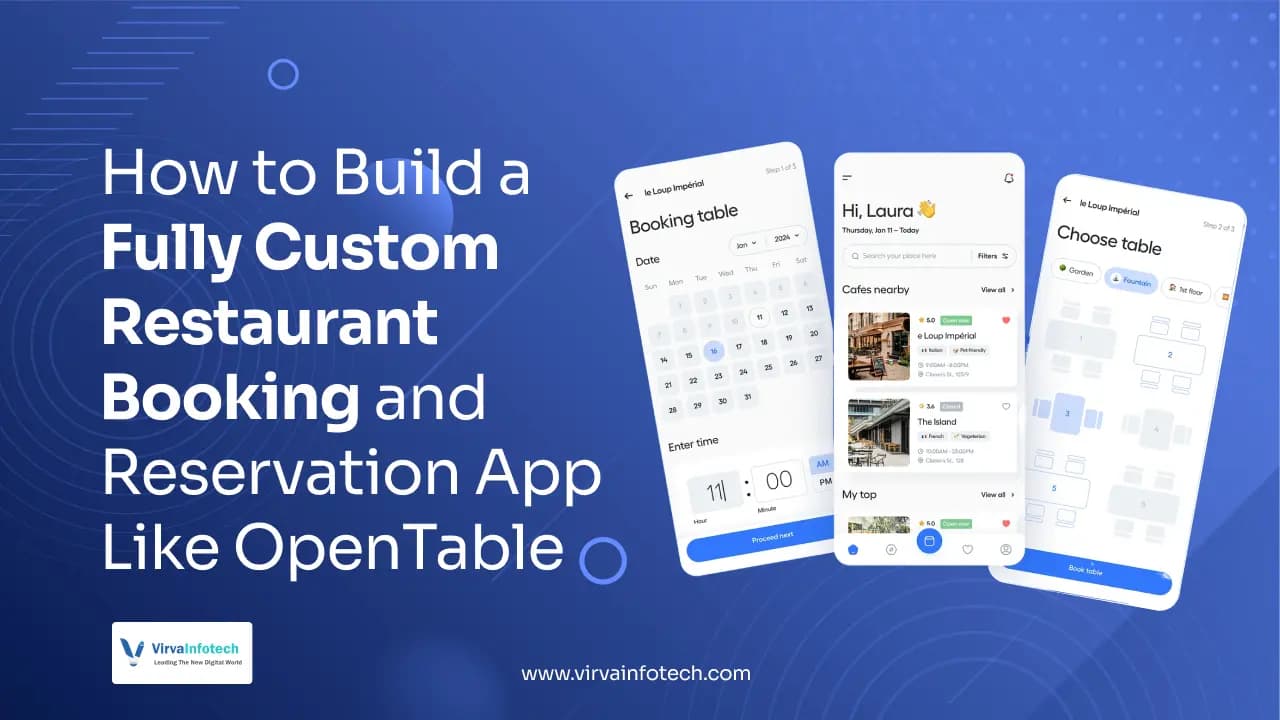
Introduction
In today’s fast-paced digital ecosystem in the USA, restaurant booking and reservation apps have transformed how diners discover and reserve tables at their favorite restaurants. Platforms like OpenTable have set a benchmark by offering seamless booking experiences, real-time availability, and personalized recommendations. As more consumers prefer convenience-driven dining solutions, investing in a restaurant reservation app has become a highly profitable opportunity for startups and enterprises alike. To build scalable and feature-rich reservation platforms, businesses often partner with a trusted mobile app development company USA that ensures seamless performance, real-time booking capabilities, and high user engagement.
If you're planning to build a similar platform, it’s crucial to understand the complete development ecosystem—from features and monetization strategies to the right technology stack. As digital dining experiences continue to grow across the USA, many food businesses are investing in restaurant app development services to streamline reservations, improve customer engagement, and build scalable restaurant management platforms. Businesses looking to build scalable digital solutions often collaborate with custom restaurant app development experts or leverage restaurant industry software solutions to create high-performing applications tailored for the competitive USA market.
What is an OpenTable App?
An OpenTable-like app is a digital platform that allows users to search, explore, and book restaurant tables instantly through a mobile or web application. Founded in 1998, OpenTable has become one of the largest restaurant reservation systems in the USA, serving thousands of restaurants and millions of users. It eliminates the traditional hassle of calling restaurants and waiting for confirmations by offering real-time booking capabilities.
For businesses aiming to develop similar platforms, integrating features like real-time availability, user reviews, and seamless booking flows is essential. Companies often rely on restaurant booking app development services and web application development solutions to build scalable systems that can handle high traffic and provide smooth user experiences across devices.
Key Features of OpenTable
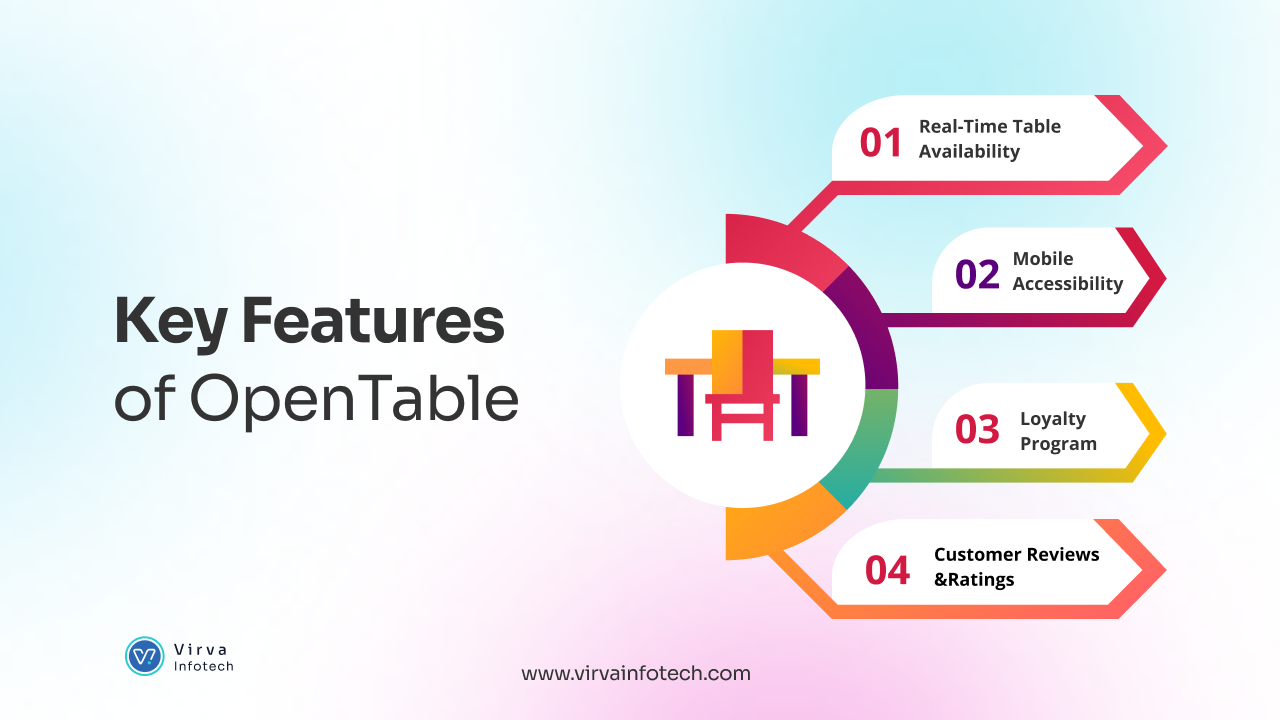
1. Real-Time Table Availability
Real-time table availability is one of the most critical features of a restaurant booking app. It allows users to instantly check which tables are available at a specific restaurant without delays. This feature enhances user convenience, especially during peak dining hours, weekends, or special occasions when demand is high.
From a development perspective, implementing this feature requires robust backend architecture and real-time database synchronization. Businesses often use real-time backend development services or scalable API development solutions to ensure accurate and fast updates across the platform.
2. Customer Reviews and Ratings
Customer reviews and ratings play a vital role in influencing dining decisions. Users rely heavily on authentic feedback about food quality, service, and ambiance before making reservations. This builds trust and increases engagement on the platform.
For businesses, this feature also acts as a feedback mechanism to improve services. Integrating such systems requires expertise in review system integration and data-driven application development services, enabling platforms to store, analyze, and display user feedback efficiently.
3. Loyalty Rewards Program
Loyalty programs are essential for increasing customer retention and repeat bookings. By offering reward points, discounts, or exclusive deals, apps encourage users to stay engaged and continue using the platform regularly.
From a business standpoint, implementing loyalty systems requires integration with analytics and user behavior tracking. Companies often use customer engagement software solutions and AI-based recommendation systems to personalize rewards and maximize user retention.
4. Mobile Accessibility
Mobile accessibility ensures that users can book tables anytime, anywhere using their smartphones. With the majority of users in the USA relying on mobile apps, having a responsive and feature-rich mobile experience is non-negotiable.
To achieve this, businesses typically invest in mobile app development services for restaurants or cross-platform app development solutions to ensure smooth performance across both iOS and Android devices.
Market Scenario
The restaurant reservation market in the USA is experiencing rapid growth due to increasing smartphone usage and digital adoption. Consumers prefer convenience, and apps that offer quick reservations, personalized recommendations, and seamless experiences are gaining massive traction.
Additionally, emerging technologies like AI and machine learning are reshaping the dining experience by enabling predictive booking suggestions and personalized offers. Businesses are increasingly leveraging AI-powered restaurant solutions and data analytics services to stay competitive in this evolving market.
Benefits of Developing an App Like OpenTable
1. Increased Revenue Streams
Developing a restaurant reservation app opens multiple revenue opportunities such as commissions, subscriptions, and advertising. Businesses can generate consistent income by charging restaurants per booking or offering premium listing features.
Additionally, integrating advanced monetization strategies using SaaS-based restaurant platforms or subscription-based software solutions helps ensure long-term profitability and scalability.
2. Enhanced Customer Experience
Modern users expect fast, seamless, and personalized experiences. A well-designed restaurant booking app enhances convenience by offering real-time booking, recommendations, and easy navigation.
To achieve this, businesses should focus on UI/UX design services and customer experience optimization solutions to create engaging and intuitive interfaces.
3. Operational Efficiency
Restaurant apps streamline operations by automating bookings, managing seating, and reducing manual errors. This leads to improved efficiency and better customer satisfaction.
Many businesses adopt restaurant management software systems and automation solutions to optimize operations and improve workflow management.
4. Data-Driven Insights
One of the biggest advantages of digital platforms is access to valuable customer data. Apps can track user behavior, preferences, and booking trends to improve services.
Companies leverage business intelligence tools and data analytics services to make informed decisions and enhance overall performance.
Planning to build a restaurant reservation app like OpenTable?
👉 Discover scalable restaurant booking app solutions
Monetization Methods for a Restaurant Booking App Like OpenTable
1. Market Research and Planning
Thorough market research is the foundation of building a successful restaurant reservation app. Understanding U.S. dining trends, customer behavior, and competitor platforms like OpenTable helps identify gaps and opportunities. This step ensures your app is aligned with market demand and user expectations.
Businesses should also define their unique value proposition (USP), such as offering AI-based recommendations or faster booking experiences. Businesses planning scalable restaurant ecosystems can also explore the complete food delivery app development process to better understand platform architecture, customer experience, and operational scalability in the USA market.
2. Define Features and Requirements
After research, clearly defining app features and technical requirements is essential. This includes creating separate panels for customers, restaurants, and administrators. Features like real-time table availability, secure payments, and advanced search filters must be prioritized.
Using enterprise software development services and custom web application development services, businesses can design scalable architectures that handle large volumes of bookings and user data efficiently. A well-defined feature roadmap ensures smoother development and faster time-to-market.
3. Choose the Right Technology Stack
Selecting the right technology stack is crucial for performance, scalability, and long-term success. Frontend frameworks like React Native or Flutter enable cross-platform development, while backend technologies like Node.js ensure high performance and real-time capabilities.
To build a robust system, businesses can utilize backend development services, cloud application development services, and API integration services. Cloud platforms like AWS and Google Cloud ensure scalability, making it easier to handle peak traffic during busy dining hours in the U.S.
Building such high-performance systems also requires strong backend architecture, seamless API integrations, and scalable infrastructure. Many businesses rely on professional custom web application development company USA services to develop flexible and high-performing restaurant booking platforms.
4. UI/UX Design
An intuitive and visually appealing UI/UX design plays a critical role in user engagement and retention. A clean interface, easy navigation, and fast booking process ensure a seamless user experience.
By leveraging UI/UX design services and user experience optimization solutions, businesses can create apps that reduce friction and improve conversions. Features like one-click booking, personalized dashboards, and mobile responsiveness are essential for success in the modern U.S. digital landscape.
5. Development and Testing
The development phase involves coding the app’s frontend and backend while following agile methodologies. Modular development ensures flexibility and allows teams to test features independently.
Comprehensive testing—including functional, performance, and security testing—is crucial before launch. Companies often rely on software development services and quality assurance testing services to ensure the app performs flawlessly across all devices and platforms.
6. Launch and Marketing
After development and testing, the app is launched on platforms like Google Play Store and Apple App Store. Many restaurant businesses also explore pizza delivery app development strategies to expand their ordering ecosystem and increase customer engagement through on-demand food delivery services. A strong marketing strategy is essential to attract users and gain traction in the competitive U.S. market.
Cost to Build a Table Booking App Like OpenTable
| Platform Scope | Core Functionalities | Estimated USA Development |
| Reservation MVP | Table booking, restaurant listings, user registration | $10,000 – $15,000 |
| Advanced Booking Platform | Real-time availability, reviews, loyalty programs, analytics | $20,000 – $25,000 |
| Full-Scale Restaurant Ecosystem | AI recommendations, CRM integrations, multi-location management | $30,000 – $50,000+ |
Conclusion
Building a restaurant booking and reservation app like OpenTable in the U.S. market presents a highly profitable opportunity for startups and enterprises alike. With the increasing demand for digital dining solutions, businesses that invest in advanced technologies, user-friendly design, and scalable architecture can achieve long-term success.
By combining the right monetization strategies, modern tech stack, and seamless user experience, your app can attract both restaurants and diners while generating consistent revenue. Businesses aiming for long-term scalability often invest in a complete restaurant app development ecosystem that combines reservations, food ordering, customer engagement, and restaurant management within a unified digital platform.
To maximize growth, focus on continuous innovation, data-driven decision-making, and strategic marketing. With the right approach, your restaurant reservation app can become a leading platform in the U.S., just like OpenTable.
Ready to develop a restaurant booking app for the USA market?
👉 Connect with our app development experts